When your Android phone suddenly needs hours to charge, do not assume the battery has failed. Charging speed depends on the charger, cable, phone model, temperature and battery level. The goal is to change one factor at a time and find out what actually slows charging.
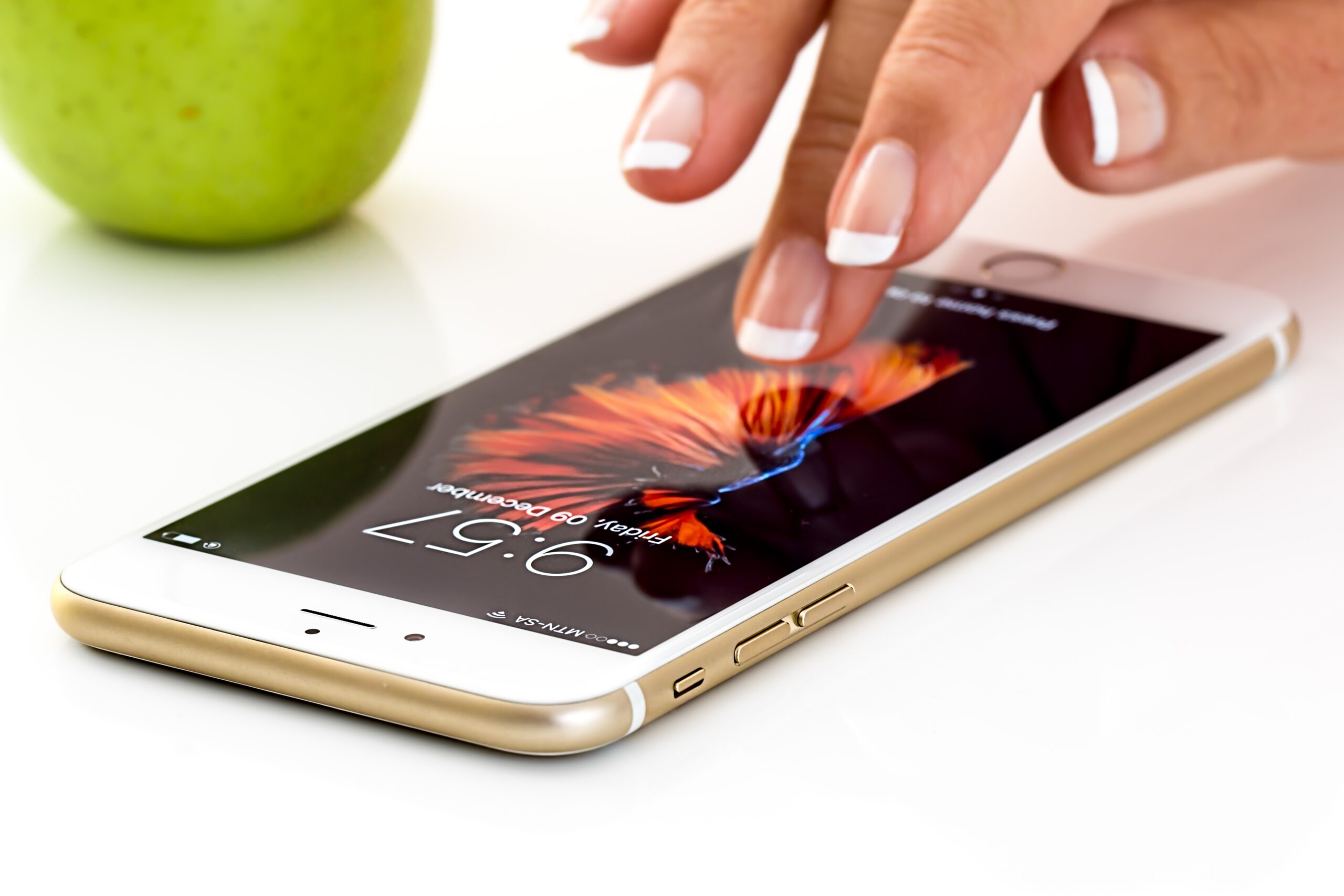
Start with a controlled charging test
- Note the current battery percentage.
- Connect the phone to a wall outlet using a compatible, trusted charger and undamaged cable.
- Lock the screen and leave the phone unused for a short, consistent interval.
- Note the new battery percentage, whether the charging status changes and whether the phone feels unusually hot.
- Repeat with another known-good compatible cable and charger if available.
Charging is often faster when the battery is lower and naturally slows as it approaches full. Comparing two tests at very different charge levels can mislead you. Use similar conditions when possible.
Check cable and charger compatibility
A cable may deliver basic power but fail to support your phone’s faster charging method. Some devices need specific USB-C Power Delivery or other manufacturer-supported standards for higher speeds. The advertised wattage on a charger does not guarantee that your phone will draw that amount.
- Use the manufacturer’s recommended power adapter type and a suitable cable.
- Avoid damaged, loose or overheating plugs and cables.
- Try a different wall outlet if the current one appears faulty.
- USB ports on old computers may charge far more slowly than a compatible wall charger.
Look for overheating
Charging may slow when a phone becomes warm. Remove it from direct sunlight, stop demanding games or navigation during the test, and allow it to return to a normal temperature. Charge on a stable, ventilated surface rather than under a pillow or thick blanket.
If the device becomes unusually hot, swells, smells unusual or has a damaged battery, stop using it and arrange professional inspection. Do not continue testing or attempt to open a sealed battery.
Inspect the charging connection without damaging it
Check whether the USB-C connector fits securely. A loose fit or intermittent charging may indicate a worn cable, dirt or port damage. Avoid metal picks, liquids and forceful scraping inside the charging port. Refer persistent connection problems to an authorized repair technician.
Check software and background activity
Restart the phone normally, then check for supported system updates. Large downloads, hotspot use, streaming and navigation can consume energy while you charge, making the percentage rise slowly. Open Android’s battery usage screen to identify unusually active apps; menu names differ by brand.
Some phones offer adaptive or optimized charging features that intentionally delay the final part of charging to reduce battery wear. Check the manufacturer settings before turning them off, and don’t confuse an optimization feature with a hardware fault.
Fast diagnosis table
| Observation | Best next test |
|---|---|
| One charger is slow; another works | Check charger/cable compatibility and damage |
| Charging slows while gaming | Repeat with screen locked and phone cool |
| Connector disconnects when moved | Inspect cable and have port assessed |
| All chargers fail and phone overheats | Stop testing and seek device support |
Frequently asked questions
Does a 100 W charger always make Android charge faster?
No. The phone controls charging power and requires a compatible charging standard. More advertised watts do not override the device’s limits.
Should I install a battery booster app?
No third-party app can fix a damaged cable, incompatible adapter or faulty charging port. Start with physical checks and supported settings.
Is slow charging always a bad battery?
No. Heat management, background use and charger compatibility are common alternative explanations.
Official reference and related reading
Google’s device-specific reference: Charge your Pixel phone. For other Android brands, consult that manufacturer’s charging guide. Related: check Android apps that used mobile data.