When your Windows drive runs low on space, start by checking what uses the storage. Do not delete folders inside Windows or remove everything in Downloads just to recover a few gigabytes. Windows provides storage categories and cleanup tools that help you identify temporary files, large apps and other items. Check each category before you remove anything, especially if the computer holds work documents or project files.

Record the available space before cleanup
Open File Explorer, select This PC and note the free space on the Windows drive, usually C:. Then open Settings, choose System and Storage. Wait for Windows to finish calculating the categories. This gives you a baseline and helps you see which areas use the most space.
Look at Installed apps, Temporary files, Documents, Pictures, Videos and Other. The labels may vary by Windows version. If Installed apps uses most of the space, sort the app list by size and review programs you no longer need. Check where a game or editing application stores its projects before uninstalling it.
Inspect temporary files before removing them
Open Temporary files in Storage settings. Read the categories and check the selected items before choosing Remove files. Temporary files may include update cleanup, thumbnails, delivery optimization files and other data Windows can recreate. The Downloads category is different. It may contain files you still need, so leave it unchecked until you inspect the folder yourself.

Find large files in Downloads safely
- Open File Explorer and select Downloads.
- Change the view to Details.
- Sort by Size to find the largest files.
- Open unfamiliar files before deciding whether to keep them.
- Move important items to a separate drive or approved cloud location.
- Open the copied file from its new location and confirm it works.
- Delete the original only after verifying the copy.
Do not delete an installer, archive or project file just because it is large. Check whether you can download it again and whether it contains work you cannot replace. If the file belongs to a business project, follow the organization’s retention and backup rules.
Use OneDrive Files On-Demand carefully
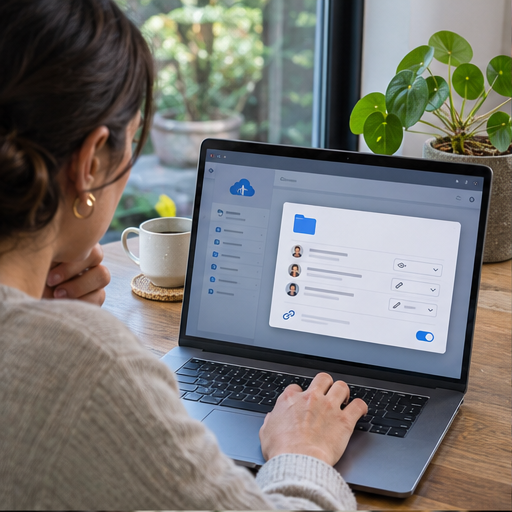
If OneDrive syncs files to your computer, some files may be available online without taking up their full local storage. In File Explorer, right-click a synced file and choose Free up space where that option is available. The file remains in OneDrive and downloads when you open it again while connected to the internet.
Choose Always keep on this device for files you need offline, such as travel documents or active project files. Do not choose Delete when you intend only to remove the local copy. Deleting a synced file may remove it from OneDrive and other connected devices. Check the sync status and open the online copy before you rely on it.
Review the Recycle Bin
Deleted files may remain in the Recycle Bin and continue using space. Open it and review the contents before emptying it. Restore anything you still need. If the Recycle Bin contains business or shared files, follow the organization’s retention rules before permanent deletion.
Uninstall apps you no longer use
Open Settings, select Apps and Installed apps. Sort by size and review programs that you recognize but no longer need. Check whether an app stores projects, downloaded media or license information before uninstalling it. Some programs include a separate data folder that remains after uninstalling, while others remove local files. Back up important projects first.
Do not uninstall drivers, security tools or company management software just because you do not recognize the name. Ask IT if the device belongs to an employer. Remove only software you understand and have permission to manage.
Configure Storage Sense
Storage Sense can automatically remove certain temporary files and manage items in the Recycle Bin. Open Settings, System and Storage, then review Storage Sense. Check the schedule and age limits before enabling automatic cleanup. Pay special attention to Downloads. Set it to Never if you want to keep downloaded files unless you remove them yourself.
Storage Sense is a maintenance tool, not a substitute for reviewing important files. Check its settings after major Windows updates because options and labels may change.
Measure the result
Return to File Explorer, This PC and compare the free space on the same drive. If C: had 3 GB free and now has 11 GB, the cleanup recovered about 8 GB. Moving a file from one folder on C: to another folder on C: does not recover space. Move it to a different physical drive or volume to reduce usage on C:.
Restart Windows if an update or cleanup process asks you to. Check Storage settings again after the system finishes. If the free space keeps dropping, review which apps or folders grow over time rather than repeating the same cleanup without finding the cause.
What not to delete manually
Avoid deleting folders inside Windows, Program Files or hidden system locations unless a trusted support guide or technician tells you exactly what to remove. Deleting the wrong file can stop applications or Windows from working. Use Settings, Disk Cleanup or the application’s own storage controls whenever possible.
Common problems
Downloads still uses most of the space
Sort by size and inspect the largest items. Move important files to another drive or approved cloud folder, verify the copies and then remove only what you no longer need.
Deleting a file did not free much space
Check the Recycle Bin and confirm that the file was on the drive you are trying to clean. A file on D: does not affect free space on C:.
OneDrive files show cloud icons
They may be online-only. Download files you need offline before travelling. Use Free up space only when you want to remove a local copy while keeping the cloud file.
Storage Sense removes files I wanted to keep
Review its schedule and Downloads cleanup settings. Change the age limit or disable automatic removal for categories you need to manage manually.
Common questions
Can I delete everything in Temporary files?
Review the categories first. Keep anything you recognize as important and avoid selecting Downloads without checking its contents.
Will moving a file to another folder free space?
Only if the destination is on a different drive or volume. Moving a file between folders on the same drive does not reduce that drive’s total usage.
Can I open an online-only OneDrive file on a flight?
Download it before disconnecting and open it once offline to confirm the local copy is available.
Should I use a third-party PC cleaner?
Start with Windows’ built-in storage tools. Avoid cleaners that promise large gains by deleting system files without explaining what they remove.
Final storage cleanup checklist
- Record free space on C: before cleanup.
- Review Storage settings and temporary file categories.
- Inspect Downloads before deleting anything.
- Verify copies before moving or removing important files.
- Use OneDrive Free up space only when you understand sync behavior.
- Review Installed apps and Storage Sense.
- Compare free space after cleanup.
For more Windows maintenance advice, read our guide to reading a Windows laptop battery report. If your computer starts slowly, see how to find the app slowing down Windows startup.
References: Microsoft: Manage drive space with Storage Sense and Microsoft: Save disk space with OneDrive Files On-Demand.