A CCTV camera can show Offline, Disconnected or No Link on a network video recorder (NVR) even when other cameras record normally. Start by checking whether the camera receives power and has a working network connection. Avoid resetting a camera until you understand how it was configured.
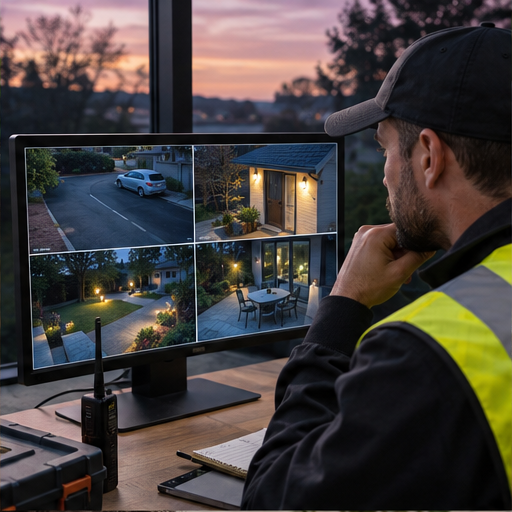
Check whether one camera or all cameras failed
- Open the NVR’s local monitor interface with an authorized account.
- Record which channels are offline and when they last worked.
- Check whether playback from the affected channel has earlier recordings.
- Check whether the remaining channels are online and recording.
One offline channel points toward a camera, cable, port, IP or authentication problem. Many channels failing together suggests a shared NVR, switch, power or network issue.
Read the NVR’s camera status message
Open the camera management, device status or IP camera list. Manufacturer menus vary. Record any status text such as No Link, Wrong Password, Network Unreachable or IP Conflict. Those messages indicate different faults.
Do not blindly change IP addresses or passwords. A camera might sit on a dedicated PoE subnet behind the recorder, and a change may break access for the NVR.
Check PoE power and network lights
If the camera uses Power over Ethernet (PoE), inspect the relevant NVR or switch port LEDs and status page. A camera with no power may show no link. If you have authorization and it is safe to access the equipment:
- Check the switch or NVR’s PoE port status and power budget.
- Inspect the Ethernet cable and its connectors for damage, water or loose fit.
- Test with a known-good short cable at an accessible location, if possible.
- Move the camera to a known-good compatible PoE port for a controlled test, after recording the original connection.
Note that standard PoE, PoE+ and other variants have different power requirements. Never connect equipment to an unsuitable supply. Avoid touching exposed conductors or accessing cameras at height without proper equipment and authorization.
Test whether the fault follows the camera
If a verified good camera works on the suspect port, investigate the original camera or cable. If the suspect camera works on a verified good port and short cable, investigate the cable run or original port. Change only one item between tests, then restore any temporary changes.
Network and login checks
- IP address: Confirm the recorder expects the camera’s current address, subnet and correct interface.
- Authentication: A changed password may leave the camera reachable but unable to stream into the NVR.
- Protocol: Check the camera’s supported integration method and recorder settings.
- Capacity: Check whether the recorder supports the number of cameras and total incoming bandwidth.
On some recorders, the built-in camera PoE ports form a separate network. A camera may not appear to a laptop connected to the ordinary office LAN. Follow manufacturer instructions rather than changing the design to make discovery tools see it.
Record the result
| Test | Clue |
|---|---|
| No port link or power | PoE, cable, connector or camera hardware |
| Link present, password error | Account credential mismatch |
| IP conflict warning | Addressing problem requiring planned correction |
| Camera works on short cable | Inspect longer cable run and terminations |
Frequently asked questions
Should I factory-reset a camera that is offline?
Not first. Reset may remove IP, recording and credential settings and create more work. Save the configuration and diagnose the status message before considering it.
Can a camera have power but still show offline?
Yes. PoE power and network/authentication are separate checks.
Can I simply replace a camera without checking the cable?
You could waste money. A good short-cable and compatible-port test helps narrow the problem.
Manufacturer guidance and related guides
Hikvision: IP camera troubleshooting. Also see how to estimate CCTV recording storage.