Blue Light Therapy at Home: The 2026 Skincare Trend That Actually Works
 By Eamp
2026-06-17
0 Comments
By Eamp
2026-06-17
0 Comments
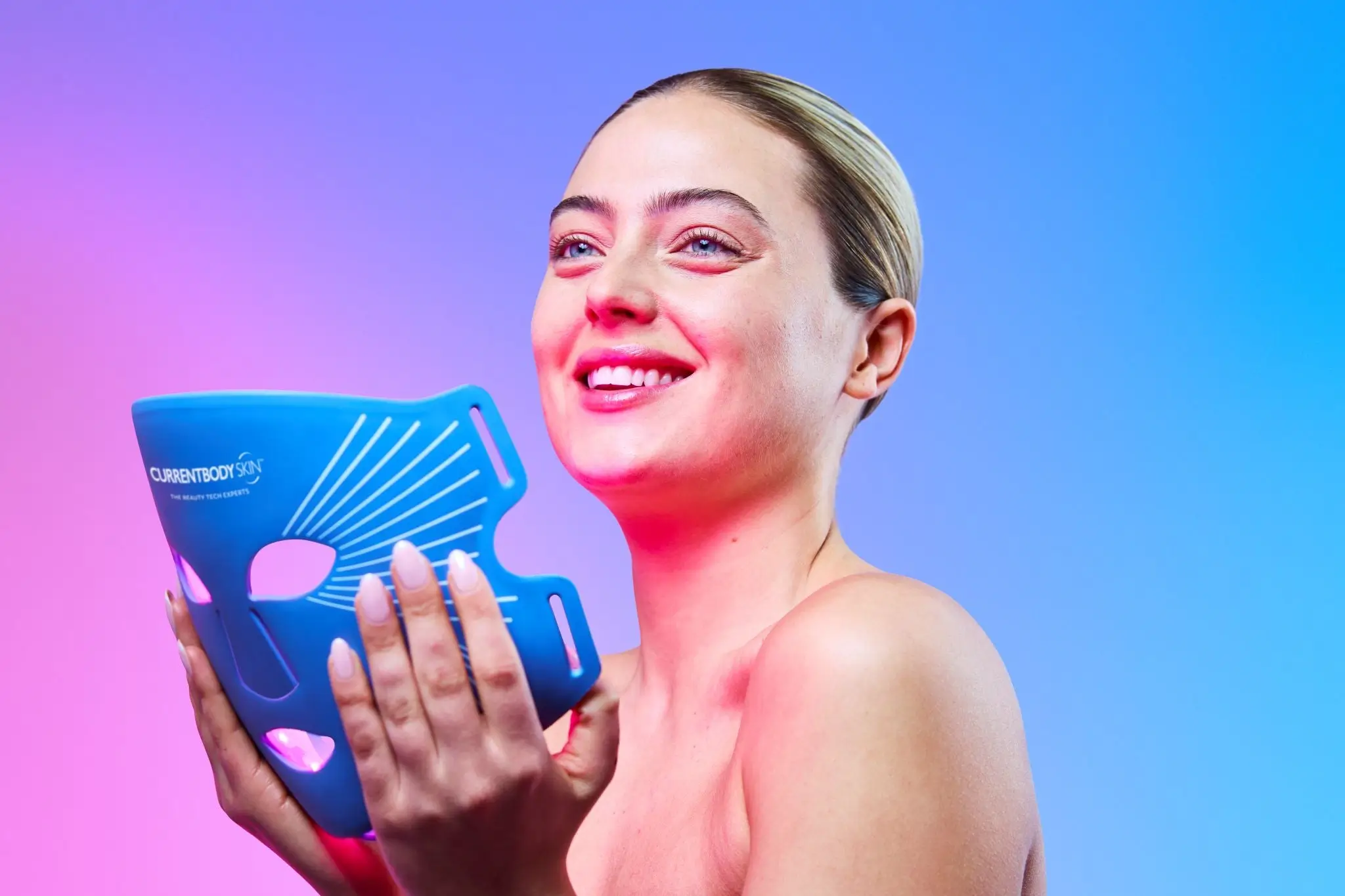
Blue light therapy is no longer just a clinic treatment. Discover how at-home LED devices are transforming skincare routines in 2026 — fighting acne, reducing oil, and delivering real, science-backed results without chemicals or downtime.
Introduction
What once belonged exclusively in a dermatologist's office is now sitting on bathroom shelves worldwide. Blue light therapy at home has exploded into one of the biggest skincare trends of 2026 — and unlike many beauty fads, this one is backed by decades of clinical research. Whether you're battling stubborn acne, excess oil, or inflammation, at-home blue light devices are quietly changing the way people care for their skin.
What Is Blue Light Therapy?
Blue light therapy is a form of low-level light therapy (LLLT) that uses specific blue wavelengths — typically between 400 and 490 nanometers — to target and destroy acne-causing bacteria beneath the skin's surface. Unlike harsh chemical treatments or prescription medications, it works by activating compounds called porphyrins inside the bacteria, causing them to self-destruct without damaging surrounding skin tissue.
The most effective wavelength for acne treatment sits around 415 nm, where bacterial porphyrins absorb visible light most efficiently. This precise targeting is what makes blue light therapy so effective and gentle at the same time.
Why Is It Trending in 2026?
Search interest in blue light therapy devices has surged year over year, and for good reason. Several key factors are driving this trend:
- Clinic-quality results at home — Modern FDA-cleared devices now deliver professional-grade output that was once only available in dermatology clinics
- Zero downtime — No recovery period, no peeling, no redness that lasts days
- No harsh chemicals — A growing number of people are moving away from chemical-based acne treatments in favor of cleaner, tech-driven alternatives
- Wearable innovation — Flexible LED masks, handheld wands, and portable panels have made it easier than ever to treat your skin anywhere, anytime
- AI-enhanced devices — Newer 2026 models feature built-in sensors and AI monitoring to prevent overexposure and personalize treatment protocols
Top Benefits of Blue Light Therapy at Home
1. Fights Acne-Causing Bacteria
This is the primary and most well-documented benefit. Blue light penetrates the skin and destroys Cutibacterium acnes (C. acnes), the bacteria responsible for the majority of inflammatory acne breakouts. Clinical studies have consistently shown significant reductions in lesion counts with regular use.
2. Reduces Skin Inflammation
Beyond killing bacteria, blue light helps calm the skin's inflammatory response — reducing the redness, swelling, and pain associated with active breakouts.
3. Controls Excess Oil (Sebum) Production
Regular sessions have been linked to reduced sebum production, making it particularly beneficial for those with oily or combination skin types.
4. Prevents Future Breakouts
Unlike spot treatments that only address existing pimples, consistent blue light therapy works preventively — keeping bacterial populations low and reducing the likelihood of new breakouts forming.
5. Safe for All Skin Types and Tones
When used correctly with FDA-cleared devices, blue light therapy is non-damaging and suitable for all skin tones — a significant advantage over some laser treatments that can cause hyperpigmentation in darker skin tones.
Types of At-Home Blue Light Devices
There are three main formats to choose from depending on your lifestyle and skincare goals:
LED Face Masks
The most popular option in 2026. These wearable masks cover the full face and deliver even light exposure across all treatment zones simultaneously. They're ideal for people who want comprehensive coverage and hands-free sessions.
Handheld Wands and Spot Devices
Best for targeted treatment of specific breakouts. These compact devices are portable, affordable, and great for travel. They're also useful for treating individual pimples quickly without treating the whole face.
Panel Devices
Larger flat panels that can treat broader areas. These are more commonly used for body acne (back, chest, shoulders) and offer higher power output for faster sessions.
How to Use Blue Light Therapy Safely at Home
Getting results from blue light therapy depends on consistency and proper technique. Here's how to do it safely:
- Cleanse your skin first — Remove all makeup, sunscreen, and oils. Clean skin allows the light to penetrate more effectively
- Protect your eyes — Always use the eye shields provided with your device or wear protective goggles during every session
- Start with short sessions — Begin with 5–10 minutes to assess how your skin responds, then gradually increase to the recommended duration
- Be consistent — Most protocols recommend 3–5 sessions per week for 4–8 weeks to see meaningful results
- Avoid compromised skin — Do not use over open wounds, active non-acne infections, or severely irritated skin
- Check your medications — Some medications increase photosensitivity. Consult your doctor if you are on prescription medication before starting
- Apply SPF after daytime sessions — Although blue light therapy itself doesn't increase UV sensitivity, it's good skincare practice
What to Look for When Buying a Device
Not all devices are created equal. The at-home device market is flooded with cheap, unregulated products that can be ineffective or even unsafe. Here's what to look for:
- FDA clearance or CE certification — This is non-negotiable. Cleared devices have been independently tested for safety and efficacy
- Published wavelength specifications — Reputable brands publish their exact nanometer output. Look for devices targeting 415–465 nm for acne treatment
- Third-party testing data — Established brands provide independent irradiance and spectral output data, not just marketing claims
- Eye safety features — Built-in shields or included goggles are essential
- Avoid suspiciously cheap options — Unbranded devices from unverified marketplaces often ship without safety testing and can pose risks when held close to the face
Who Should Avoid Blue Light Therapy?
While blue light therapy is safe for the vast majority of users, certain individuals should exercise caution or consult a healthcare professional first:
- People who are pregnant or breastfeeding
- Those under 18 years of age
- People with photosensitive skin conditions (such as lupus or porphyria)
- Anyone currently taking photosensitizing medications (certain antibiotics, retinoids, or diuretics)
- Those with active skin infections other than C. acnes-driven acne
Blue Light vs. Red Light: What's the Difference?
You'll often see blue and red light therapy mentioned together — and many 2026 devices offer both wavelengths. Here's a quick breakdown:
| Blue Light | Red Light | |
|---|---|---|
| Wavelength | 400–470 nm | 630–700 nm |
| Primary Use | Kills acne bacteria, reduces oil | Stimulates collagen, anti-aging |
| Skin Depth | Surface-level | Deeper tissue penetration |
| Best For | Acne, oily skin, inflammation | Fine lines, wrinkles, skin repair |
Many dermatologists recommend combining both for a comprehensive skincare approach — using blue light to treat active acne while red light works on overall skin tone and texture.
Final Thoughts
Blue light therapy at home has earned its place as one of 2026's most legitimate beauty tech investments. It's not a quick fix — consistent use over several weeks is needed to see real results — but for those dealing with ongoing acne, inflammation, or oily skin, it offers a clean, chemical-free, clinically backed solution that fits into any routine.
If you're ready to make the switch, focus on quality over price, choose an FDA-cleared device, and commit to a consistent protocol. Your skin will thank you.
Always consult a dermatologist before starting any new skincare treatment, especially if you have a pre-existing skin condition or are on medication.